
The 5 Types Of Instagram Posts I Would Post If I Was Still A Physical Therapist
SOCIAL MEDIA IDEAS FOR PHYSICAL THERAPISTS
If I’m being honest, generating content is the worst part of running my business. It doesn’t come naturally to me, I hate doing it, and I’m too lazy to keep up with the trends. I’d happily quit tomorrow if I could but unfortunately most of my clients find me through Instagram. I appear to be doing something right so I thought “why not write a blog about what I would post if I was running my own physical therapy clinic”. Thank god I don’t but you might so here’s what I would do if I was you.
#1: Success Stories
First I would create posts centered around my patients’ success. Photos and videos of my patients getting stronger, getting out of pain, getting more athletic, and getting back to what they love speaks to my skills without me having to speak to them. I’m not going to tell you you’ll get better or sell you on why I’m the best, I’m going to show you. See this patient who got back to playing tennis and she’s killing it? And this guy who is squatting more after his ACL reconstruction than he did before? Yeah that could be you.
What You Should Do:
If you’re good at what you do, you should have plenty of examples to choose from. You could do a simple before and after post: maybe photos documenting post op quad development or videos showing how a patient has progressed from poorly performing an exercise to mastering it. You could create a celebratory graduation post as a patient gets back to sport or a spotlight featuring their hard work through the rehab process. You could talk through an interesting case and explain the techniques you used to get them out of pain. The goal here is to demonstrate your expertise through outcomes.
#2: Behind The Scenes
You know what’s fucking tired? Listening to PTs talk about being cash pay and how they offer “exclusive” one-on-one personalized care. I have two problems with it. First, the only people who really understand what that means is the patient who’s had shit care previously. Being told that you’ll stay with the same clinician and won’t get passed off to a tech doesn’t mean a thing to someone who has never been injured. And second, it’s not really that unique anymore. More and more clinics are offering cash pay therapy where you get a full hour with the PT so stating it like you’re somehow special isn’t all that impressive.
These posts are an opportunity to show what sets you apart.
I want my audience to see the unique modalities and manual treatment I’m offering. I want them to see how hands-on a session can be. I want to showcase the exercises they’ll be doing and how sport specific their session will be. I want them to see all of the advanced equipment in my clinic and the fact that there’s dumbbells exceeding 30 lbs. The purpose of this type of post is to make my audience see the patient or athlete in the video and want to be them.
What You Should Do:
You could post a photo or video of some of the hands on techniques you use.
A simple compilation of videos is also a great option. Splice together some videos from a session and throw some music on top.
Or you could literally just show your patient having a good time. Not everything has to be that serious. Show your audience that you have an amazing vibe and they’re going to enjoy working with you.
#3: Education
Some people will tell you that education is a waste of time and you shouldn’t give away your knowledge for free. I think that’s bullshit. Educational content is a great way to showcase your expertise while building trust and buy in. I’m already answering a bunch of questions in my hypothetical sessions with patients so I would take those questions and turn them into bite size content. That means I’m not writing a 10 page essay on talocrural joint mechanics. I’m providing quick tips that my audience can actually utilize in their day to day life.
What You Should Do:
You should make sure your content is actually designed for patients and athletes. This means it should be minimal on the medical terminology but it should also be something your audience gives a shit about. Is identifying and rectifying a camel hump in your isokinetic testing important? Absolutely but your audience can’t relate to that. You’d be making that post for you. Instead, speak more generally to the importance of using metrics to get your patients stronger, more resilient, and ready to return to sport better than before. Always think about what your audience truly cares about.
I highly recommend learning from Leada Malek’s posts because she puts on a masterclass in developing content for the average reader. She’s able to identify topics that her audience is interested in and then present them in a way that they can actually consume and enjoy. Most of you are writing content for your peers and you need to cut that shit out.
You could cover a topic or injury in detail with an educational carousel. If that’s too much work, you could throw together some videos centered around a particular topic. Start with a question on top of some exercise or manual therapy videos and finish with a “Details In The Caption” (and then of course write your answer in the caption). Honestly I love this option because it’s a relatively easy post to put together and whatever makes content creation easier is the way to go.
#4: Testimonials
I’ll be the first to admit that testimonial posts probably won’t get a ton of engagement on Instagram but that doesn’t mean I’m not doing them. Everything else I’m posting is my narrative. I’m the one creating educational carousels, posting patient success stories, and creating videos of what it’s like to work with me. Testimonials are an opportunity to hear from someone else. Someone else gets to prove that I’m as good as I’m portraying myself to be. The trick is making sure people pay attention to them.
What You Should Do:
The goal is to make your testimonials as engaging as possible. If you have a really lengthy testimonial, you need to cut that shit down or put it on multiple slides. No one will read a novel about how great you are…they’ll scroll right past it (see below). Once you shorten it or break it down into smaller chunks (multiple slides, multiple posts, part of it in the post/part of it in the caption), you’re going to identify the shit you want people to pay attention to. Pick the best parts and use design techniques to guide the eye to what’s impotant. You can increase the font size, make the text bolded or italicized, use color to differentiate sections, change the casing, or use a different font to draw attention and increase the chances people actually read it.
I threw an example below. Chances are you glaze over that first one because it’s an overwhelming amount of text. But hopefully your eye goes to that bold, impactful statement on the next one where I changed the font type and size because that’s what I want you to read. And that, ladies and gentlemen, is why design is much more than just making things look pretty.
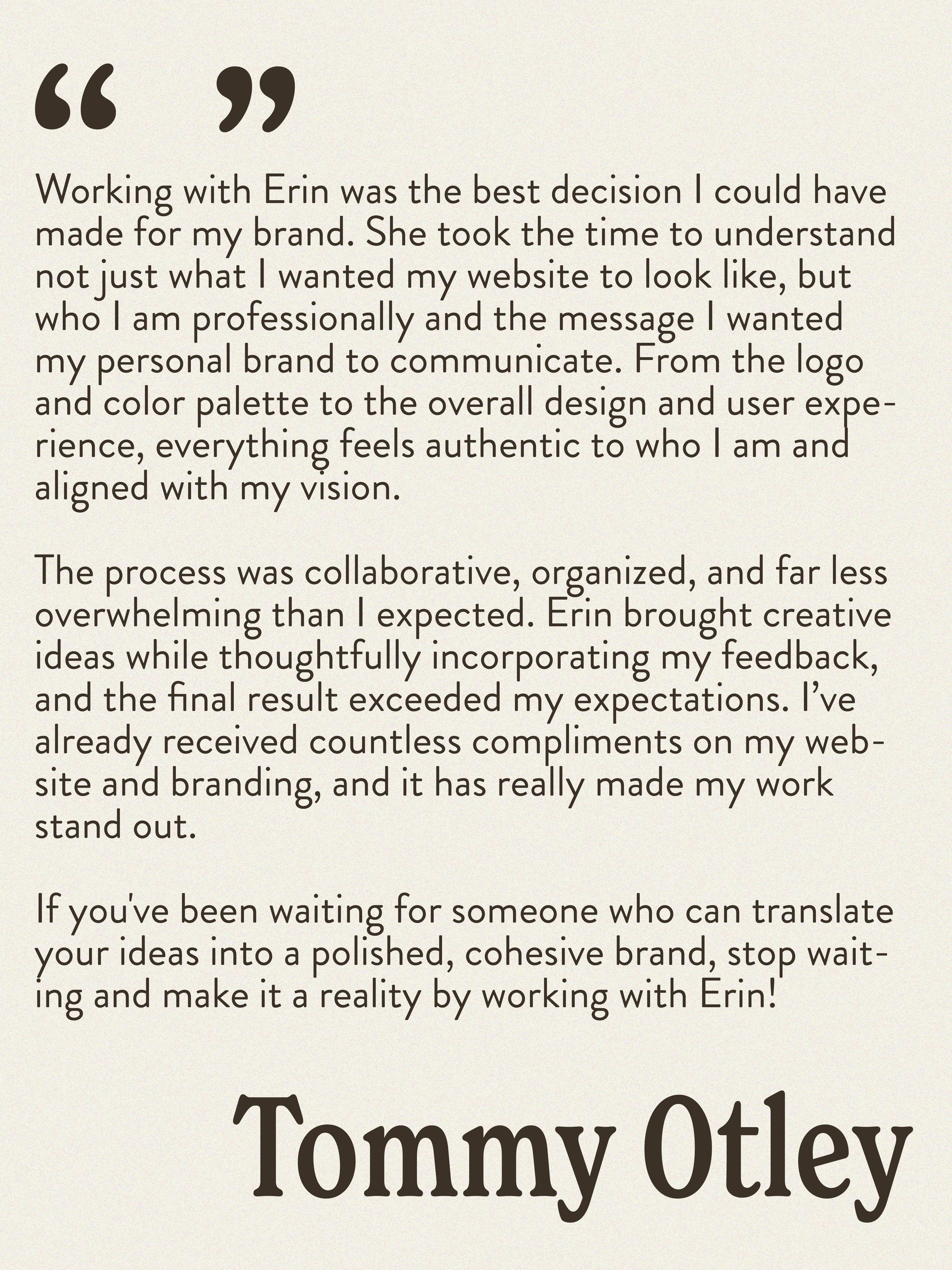
WHAT NOT TO DO
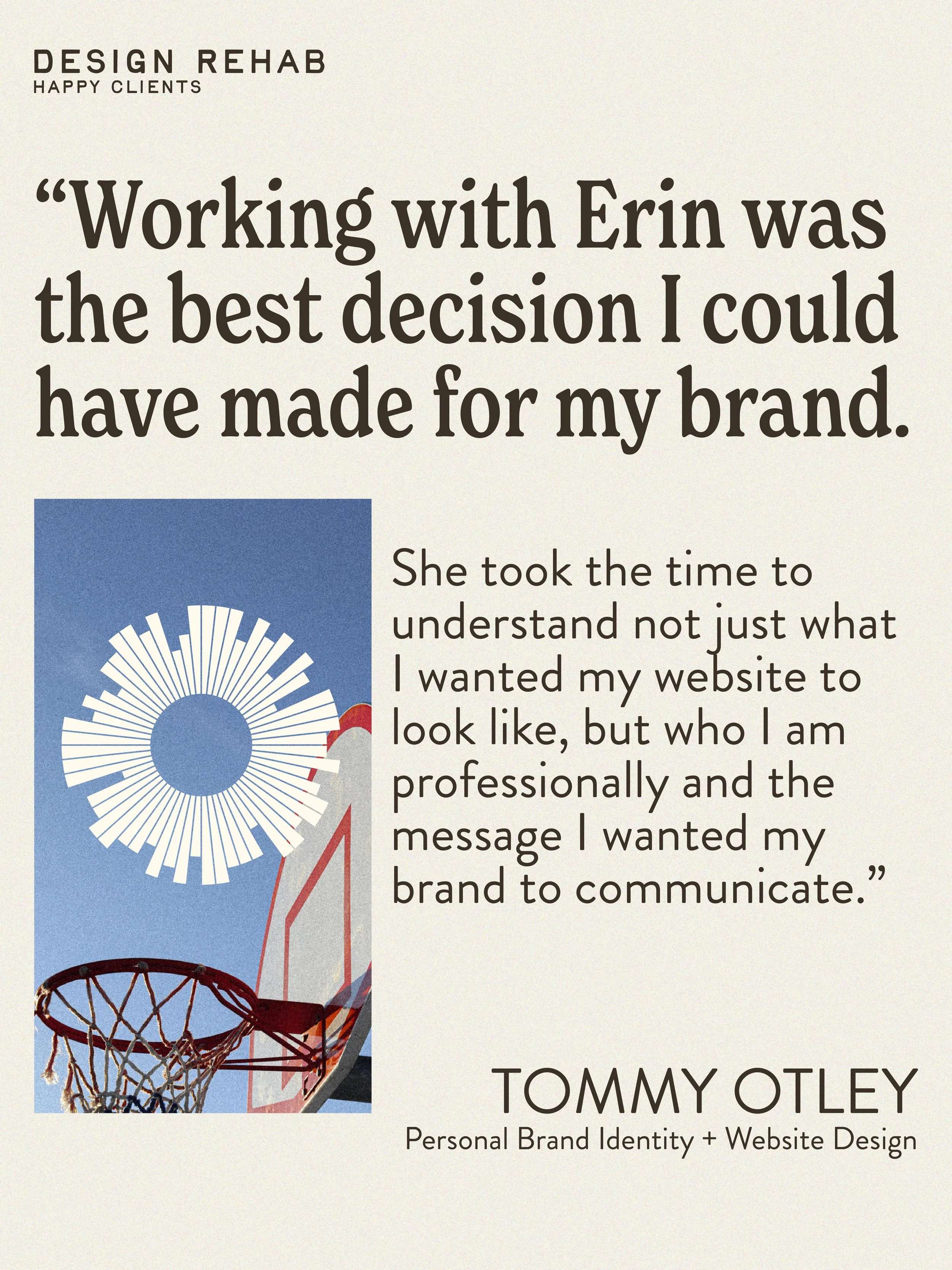
WHAT YOU SHOULD BE DOING
#5: “Trendy” Shit
LISTEN I hate this too. But if your goal is to build a following, you should probably post the shit that does well on Instagram. The goal is to not lose yourself to it. I’m not hopping on a trend if it doesn’t feel authentic to me. Instead, I would focus on tried and true posts. I’m going to post things like:
As A PT, These Are The # Things I Would Never Do
The # Exercises You Should Do If You Sit At A Desk All Day
The Biggest Mistake I See In The Gym
What No One Talks About After An Injury
How I Keep Healthy As A Physical Therapist
The # Things I Would Buy If I Was Designing A Home Gym
These are the types of posts that tend to do well on Instagram but I can find a way to create them without hating myself. That’s the sweet spot you need to find.
What You Should Do:
Whatever works for you. I’m not going to tell you what to do here because I think it’s most important that your content feels like you and I don’t know you. You know you so find what feels authentic. If you can, find something that does well on Instagram and make it entirely your own.
Now Get To Posting
Chances are if you’re reading this, you also dislike posting content to Instagram so this is your push to do it. Here’s what I’ve learned from two years of running my business:
Who cares how many likes you get. I know it sucks to put effort into a post that gets 12 likes and maybe one comment but if you can get over that shit feeling and keep on posting, that’s all that matters. Consistency and staying front of mind with your audience is more important than going viral.
Try everything. You never know what’s going to hit so keep trying new things to see what lands and don’t just try it once. Sometimes Instagram will choose not to show something but that doesn’t mean it’s not good content. My best example? Last year I made a post about how to create a gradient in Canva to make your text more legible. It got 27 likes and 667 views. A couple of months ago I made the same post again. This one got over 12,000 likes and 200,000 views. Keep posting because you never know what’s going to do well.
Know your audience. All of my content is created with you in mind. I really try to think about what you value, what can improve your business, and what you’d find entertaining. I find a lot of PTs skew their content to their colleagues instead of their patients because it’s familiar and because PTs are more likely to comment/like/share the content. Remember who you’re posting for and understand them inside and out.
Always prioritize authenticity. Don’t try to force yourself into content that isn’t you or try too hard to curate your content. With all of the perfectly curated influencer content and now the sterile, lame AI posts, people crave originality. Be yourself.
ABOUT THE AUTHOR:
ERIN KELLY-SULLIVAN

As a washed up physical therapist I know a thing or two about physical therapy. After contributing to the rise in burn out rate, I turned to graphic design and now build brands for my colleagues.
In a field of unoriginal logos and boring website design, my goal is to educate healthcare practitioners on how to use their brand to better position their services and stand out in an oversaturated field.
READY TO BOOST YOUR INSTAGRAM PRESENCE?
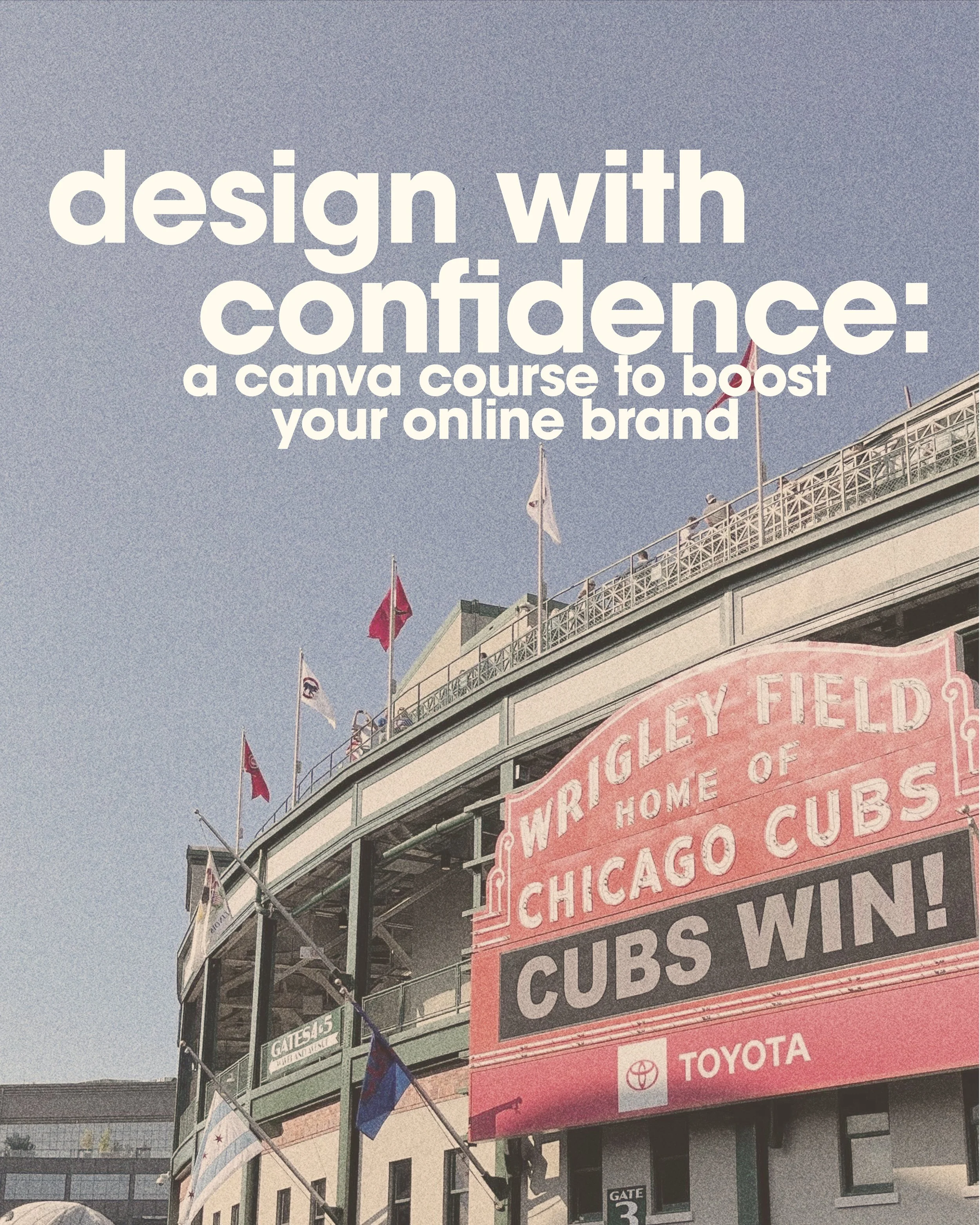
This course will give you the foundational design concepts to create visually impactful posts to help boost your brand.
Build your strategy, create your templates, and watch your brand take off.
JOIN THE NEWSLETTER
Sign up for the “whenever I get around to it” semi-regular email newsletter.
READ MORE
WANT MORE HELP LIKE THIS? FOLLOW ALONG ON INSTAGRAM:

Not sure what to post next? Here are 5 types of posts that are non-negotiable for physical therapy clinic owners.